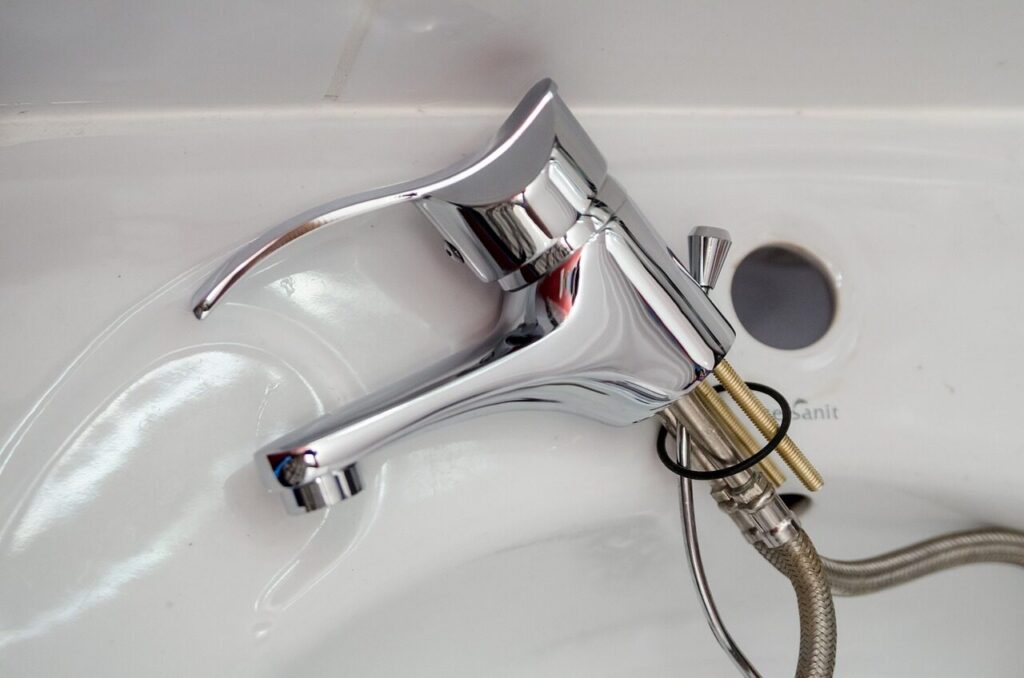
The plumbing market in France in 2026 is positioning itself as a strategic and resilient pillar of building finishing work. As true comfort technicians, companies in the sector ensure the installation, maintenance, and repair of complex water and gas distribution networks. Their expertise covers a wide range of tasks, from installing modern sanitary fixtures to deploying fire suppression systems and heating networks. Today, these professionals generate the majority of their revenue through the replacement and modernization of equipment in housing.
This activity benefits from constant structural demand, which protects it from strong economic fluctuations. The absolute necessity of maintaining domestic infrastructure in good working order guarantees a steady workflow for tradespeople. Whether for emergency interventions for leaks or planned renovations to improve thermal comfort, the use of a qualified plumber remains essential. In 2026, the sector's trend is driven by a growing demand for reliability and performance, transforming simple repair issues into genuine home optimization projects.
Do you need a plumbing market study? EPSIMAS can take care of it for you!
The plumbing sector is showing robust economic momentum. According to our preliminary estimates, revenue for companies classified under NAF code 43.22A (Water and gas installation work in all types of premises) will reach 13.2 billion euros in 2025. Over the 2024–2025 period, the market is projected to grow by 0.96%. This trend is part of a long-term growth pattern. Between 2016 and 2025, the sector’s revenue grew by an average of 5.91% per year.
An analysis of financial ratios confirms the sector’s vitality. On average, a plumbing company generates pre-tax revenue of €281,637 per year. The number of businesses in the region also reflects this density. In 2023, INSEE recorded 45,722 companies employing 62,415 full-time equivalent workers. As of February 2026, the country had 72,480 active businesses, the majority of which were sole proprietorships. Between 2016 and 2025, the sector saw its number of businesses grow by an average of 3,47% per year.

The plumbing market in France is highly fragmented. Small businesses largely dominate the sector due to the local nature of demand. This structure is also explained by the low barriers to entry for new entrepreneurs. Construction giants such as Vinci, Eiffage, and Bouygues hold strategic positions on major projects. However, these major groups account for less than 20 % of total revenue from plumbing work. The remainder of the business is divided between subsidiaries of multi-technical service providers and leading independent players such as UTB, Acorus, and the Balas Group.
The offering is structured around three complementary types of players. Independent craftsmen and very small businesses (VSBs) handle most of the local repair services. They primarily work for individuals, carrying out installations and routine maintenance. At a higher level, small and medium-sized enterprises (SMEs) manage larger projects for industrial, commercial, or local government clients. Finally, specialized maintenance companies organize the recurring upkeep of building portfolios. Brands like Mon chauffagiste privé par Proxiserve, E2S, or Logista Hometech dominate this specific segment thanks to their networks of specialized collaborators.
Sources: Xerfi, Businesscoot, Epsimas
Demand for plumbing services is closely tied to regulatory changes related to the energy transition. Homeowners are investing heavily to replace their heating systems with more efficient solutions. New standards for the Energy Performance Certificate (DPE) are accelerating this transition. In 2018, the metropolitan housing stock primarily relied on natural gas and electricity (78 % of the total). Today, heat pumps, biomass, and smart systems are becoming the norm. These complex installations require cutting-edge technical expertise, prompting users to seek out certified professionals.
The rates charged in 2024 reflect this high level of technical skill. The average hourly rate for a heating engineer ranges between €40 and €80. For emergency call-outs during non-working days, prices rise between €50 and €90. Travel costs are generally between €30 and €50. To simplify billing, many services are offered as a flat rate. Installing a radiator or a water heater costs up to €400. The installation of a complete boiler represents approximately €1,500 in labor costs. These costs vary depending on the geographical area and the complexity of the intervention.
Technological innovation is transforming the daily lives of plumbers and heating engineers. The trend of contactless plumbing, born during the pandemic, is giving way to connected plumbing. This segment is currently attracting massive investments, as exemplified by the company Flovea. This company raised 1.5 million euros in 2023 to deploy its Flowbox solution. This intelligent algorithm analyzes household consumption habits to reduce water waste. At the same time, the market benefits from government measures for thermal renovation. These initiatives support demand despite global economic fluctuations.
The new construction sector, however, is experiencing mixed trends. The number of building permits surged by 20% in 2021, but the trend reversed as early as 2022. In 2023, housing starts fell by 23.7%, directly impacting installers. Today, French homeowners prioritize energy savings above all else. While insulation accounts for half of all work performed, the replacement of heating systems and windows follows very closely behind. In this context, compliance with strict standards has become a major differentiator. Obtaining RGE certification is now essential for customers to qualify for tax credits.
Seasonality dictates the pace of professionals« activity throughout the year. The search volume for the word »plumber" on Google Trends follows an annual cycle marked by a major peak in November. This phenomenon corresponds to the restart of heating systems.
Sources: Businesscoot, Google Trends
The plumbing and heating profession is evolving towards multi-technical expertise. Companies are recruiting qualified profiles in electricity to install heat pumps, thermodynamic water heaters, or solar thermal panels. This transformation allows professionals to offset the planned decline in oil and gas boilers by maintaining air conditioning systems.
Future activity will depend heavily on the continuation of public aid such as MaPrimeRénov’ or Éco-PTZ. Despite the state's budgetary constraints, the need to decarbonize housing guarantees a stable volume of work. Artisans who anticipate these technical and regulatory changes will ensure the longevity of their businesses in a market undergoing an energy transition.
Source : Cerfrance
Plumbers-heating engineers primarily register under the following NAF code to carry out their activity:
Subclass 43.22A: Water and gas installation works in all premises
This subclass includes
This subclass does not include
Source : INSEE
Don't hesitate to contact us to discuss your projects!
You can leave us your contact information via the Contact form, or book an appointment directly below.