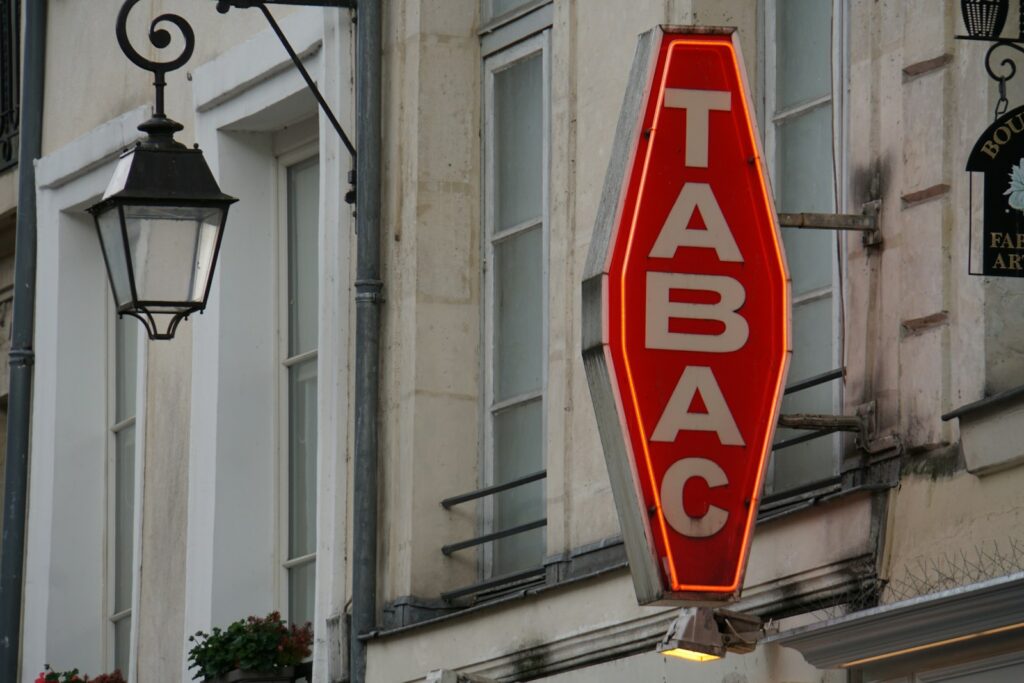
The tobacconist market is undergoing a historic transformation. Hit by declining consumption and tax evasion on cigarette packs, tobacconists are reinventing themselves as multi-service local shops. This national network, based on a state monopoly, is seeing its activity radically change to ensure its sustainability. The profession is no longer defined solely by the sale of tobacco, but by a strategic diversification towards games, press, and services.
Having become a true neighborhood drugstore, tobacco shops now attract a multi-need clientele for banking services, bill payments, or package pickups. Faced with the growing power of the parallel market, this transformation into a pivot of local and administrative life has become the sector's main growth driver. The tobacco shop market thus asserts itself as the leading local network, essential for social connection throughout the country.
Do you need a market study for tobacco shops? EPSIMAS will take care of it for you!
The tobacco shop market is undergoing a period of profound structural transition. In 2025, the sector’s revenue is estimated at 2.248 billion euros, according to preliminary estimates from Epsimas. The market is showing an average annual growth rate of 8.81% over the 2016–2025 period. Between 2024 and 2025, the sector is projected to surge by +8.67%. Projections remain upward, with an expected average annual growth rate of 5.50% through 2030.
With 22,800 retail locations, the network’s coverage is exceptional. These stores are open an average of 12 hours a day, 6 days a week. There is a strong presence in rural areas: 41% of tobacco retailers operate in towns with fewer than 3,500 residents.
Market dynamics are paradoxical. Tobacco sales volumes in 2024 fell by 12% compared to the previous year. The sector is in free fall in terms of volume, but overall revenue remains steady thanks to steady price increases. However, this situation is fueling a massive black market. Today, one out of every two cigarettes consumed in France is not purchased at a tobacco shop.
Sources: Epsimas, INSEE, Confederation of Tobacconists, OFDT, PMI

The customer base of tobacco retailers is diversifying dramatically and is no longer limited to tobacco users alone. Today, 42% of customers visit a tobacco shop for other reasons. This shift reflects the network’s transformation into a true hub for local services.
At the same time, the tobacco market is under significant economic pressure: the overall change in cigarette prices amounts to 88% over the 2015–2025 period. The average price of a 20-cigarette pack is now around €12.50, compared to €7 in 2017.
Four major profiles now stand out:
Sources: Confederation of Tobacconists, Epsimas, INSEE, Capital
The tobacconist holds a unique hybrid status: they are both an independent merchant and an agent of the administration. The State delegates the sale of tobacco to them through a regulated monopoly, making them a trusted partner for marketing other sensitive products such as tax stamps, games from the Française des Jeux (FDJ), PMU, or La Poste services.
The available offerings have significantly expanded to meet all daily needs. The network offers a multitude of services: purchasing prepaid or transport cards, managing money transfers, etc. Customers can also pick up their online purchases, print documents, buy newspapers, or simply have a coffee with a snack. Today, we all have a reason to step into a tobacconist's shop, given the wide range of solutions available.
Beyond the commercial aspect, this network plays a major economic role with 80,000 employees spread across the country. Every day, 10 million customers pass through these doors, making each establishment an essential hub for social life in neighborhoods and villages. Some businesses even go so far as to become the headquarters for local sports or cultural associations, strengthening their status as a pillar of community life.
Sources: Epsimas, Confederation of Tobacconists
Commercial escape This is the industry’s major challenge. In 2024, it is estimated that approximately 50% of tobacco consumption in France bypasses the official network of tobacco retailers. This massive volume is shifting toward cross-border purchases and the illegal market. Today, nearly one out of every two cigarettes consumed in France is no longer purchased through legal channels, which has a severe impact on tax revenue and the profitability of the retail network.
The transformation of tobacconists To weather the decline in cigarette sales (–12%) and rolling tobacco sales (–13%), the network is transforming itself into «multi-service neighborhood stores.» Tobacco retailers are focusing on diversification: package delivery, bill payment, vaping, and snacks. Notably, while traditional tobacco sales are declining, other products such as cigars and chewing tobacco are up 2%, offering new sources of growth.
Territorial polarization The impact of taxation varies significantly by region. Sales are falling much more rapidly in border departments, with a 46 % decline since 2017, compared with 38 % in the rest of France. This difference demonstrates that price remains the primary driver of cross-border shopping, creating increased vulnerability for stores located near the borders.
Interest in the term «tobacco shop» on Google Trends is marked by peak periods. Every January 1st, a major spike occurs because these businesses are often the only ones open. A strong regularity is then observed in July and August, linked to the network's essential role in providing convenience for vacationers.
Sources: Epsimas, Google trends, OFDT, Confederation of Tobacconists, PMI
Tobacconists are mainly registered under the following NAF code to carry out their activity:
Retail sale of tobacco products in a specialized store
This subclass includes
Source : INSEE
Don't hesitate to contact us to discuss your projects!
You can leave us your contact information via the Contact form, or book an appointment directly below.