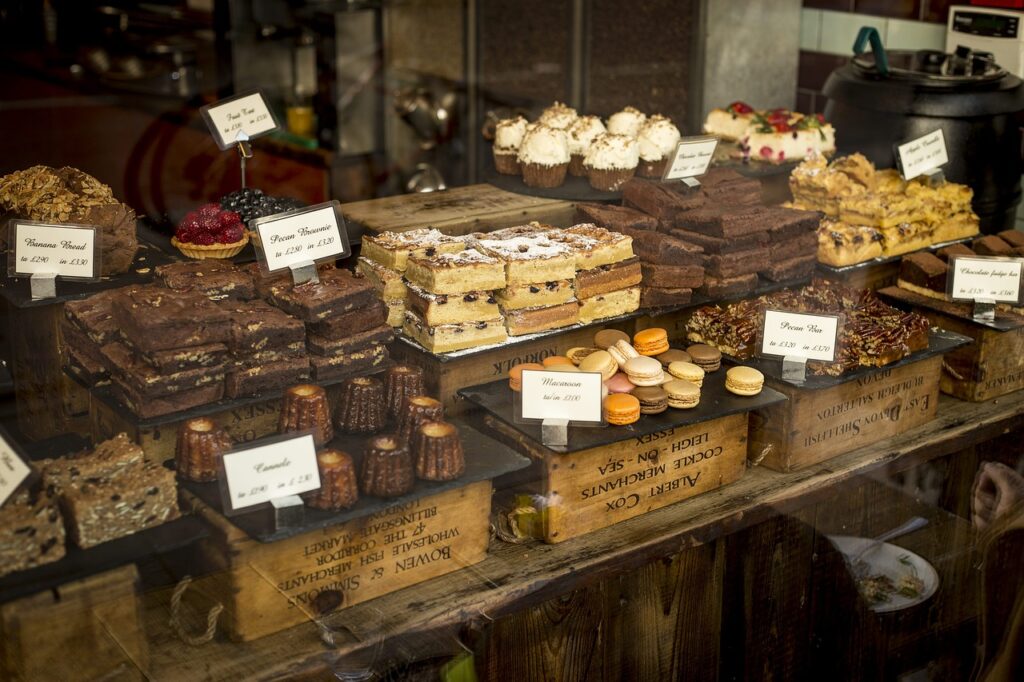
French pastry is undergoing a major transformation. Between artisanal tradition and technical innovation, this sector symbolizes product excellence in France. Artisans today face significant structural challenges. The rising cost of raw materials and energy requires strict management. At the same time, consumer expectations are evolving towards greater naturalness and transparency. Pastry is no longer just a dessert at the end of a meal. It is becoming a sensory experience, often showcased on social media. This dynamic market relies on a dense network of passionate artisans across the country. From neighborhood shops to haute pâtisserie houses, the offering is segmented to cater to all budgets. The sector's resilience is built on the deep cultural attachment of the French to sweet pleasures.
Need a pastry market study? EPSIMAS can take care of it for you!
The pastry market is showing exceptional vitality at the start of 2026. There are exactly 11,297 active establishments nationwide. In 2025, pastry shops generated revenue of more than 1.8 billion euros, according to preliminary estimates from EPSIMAS. This represents an increase of 4.58% compared to 2024. This growth is not a one-time occurrence. For more than 10 years, the pastry market has been on an upward trend. In fact, growth has accelerated since 2021.
The outlook for the end of the decade remains particularly optimistic. The sector has seen average annual revenue growth of nearly 7% between 2016 and 2025. However, EPSIMAS projections suggest a slight slowdown in this growth in the coming years.
This increase in turnover in the pastry sector is supported by a generalized upscaling of artisanal products, as well as investments in the sector. In 2023, pastry specialists (excluding bakery-pastry shops) invested 106 million euros. This amounts to an average of EUR 17,278 per company.
Sources: app.epsimas.com, INSEE

Pastry consumption in France is driven by high purchase frequency and a dedicated budget. More than 12 million consumers regularly visit a bakery or pastry shop. Households spend an average of 350 EUR per year on pastries. For an individual cake, the average receipt total is 3.5€. Recurrence is the cornerstone of the sector: 40% of the population indulges in this treat at least once a week. The French place blind trust in artisanal expertise. In fact, 85% of customers accept the price difference between an artisan bakery and a mass-market retailer. For 74% of them, quality justifies the price.
The sociological profile of shoppers reveals distinct motivations. Women account for 65% of customers during the holiday season, often taking the lead on family purchases. In contrast, 63% of men buy pastries for their own personal enjoyment. Dessert remains central to French social life. For 58% of French people, a good meal must end on a sweet note. Pastries symbolize sweetness and comfort for 55% of those surveyed. They also play a crucial role in communal celebrations such as weddings and baptisms. Attachment to traditions remains strong, but consumers demand complete transparency regarding the origin of products. The trend toward «eating better» directly influences purchasing decisions, driving customers toward creations that are less sweet but more intense in flavor.
Sources: IFOP, OpinionWay, EPSIMAS
The market is structured around several players with divergent strategies. Artisanal bakeries and pastry shops dominate the market with a 66 % market share. They rely on an image of local presence and unmatched freshness. However, competition is intensifying with the rise of large retailers (20 %). Hypermarkets are slashing prices to attract households with limited purchasing power. The «pure-players» segment is also emerging, focusing on highly specialized niche products. Bakeries and delis are diversifying their offerings to include savory items to maximize sales during the lunch break. Finally, tea shops are emphasizing the customer experience to increase the time customers spend in the store.
The sector is experiencing an unprecedented phase of consolidation. Artisans working in networks are capturing an increasing share of value. They benefit from massive economies of scale in purchasing and marketing. In contrast, isolated artisans must redouble their creativity to survive. They are focusing on customization and the superior quality of raw materials. Industrial producers, for their part, are trying to move upmarket to compete with craftsmanship on its own turf. The market is thus divided between accessible luxury and mass consumption.
Innovation is radically transforming production and consumption methods. The «Healthy» trend is emerging with gluten-free, vegan, or low-sugar recipes. In this segment, pastry chefs are using alternative flours (soy, coconut) and drastically reducing refined sugar. At the same time, the theatrical presentation of sales points is becoming a major challenge. Shops are transforming into experiential spaces, incorporating smoothie bars or reading lounges. The visual aspect, or «instagrammization,» generates a continuous flow of new customers via social media. Celebrity chefs, who have become true media stars, are directly influencing purchasing behavior through their online tutorials and contests. The DIY (Do It Yourself) phenomenon is also booming, encouraging artisans to market complete kits for customers to replicate the experience at home. Finally, ecological responsibility is taking hold: recyclable packaging and local sourcing are becoming essential selection criteria for an increasingly activist customer base.
Seasonality follows a constant cycle with a peak Google Trends search interest between December 20th and 31st. Other peaks appear during Epiphany or Easter, while the wedding season supports spring activity. Low points of interest are mainly in autumn or June.
Sources: Google trends, Epsimas
Pastry shops primarily register under the following NAF code to conduct their business.
Subclass 10.71D: Cake Shop
This subclass includes
This subclass does not include
Some are also registered under the following NAF code:
Subclass 10.71C: Bakery and Pastry Shop
Source : INSEE
Don't hesitate to contact us to discuss your projects!
You can leave us your contact information via the Contact form, or book an appointment directly below.