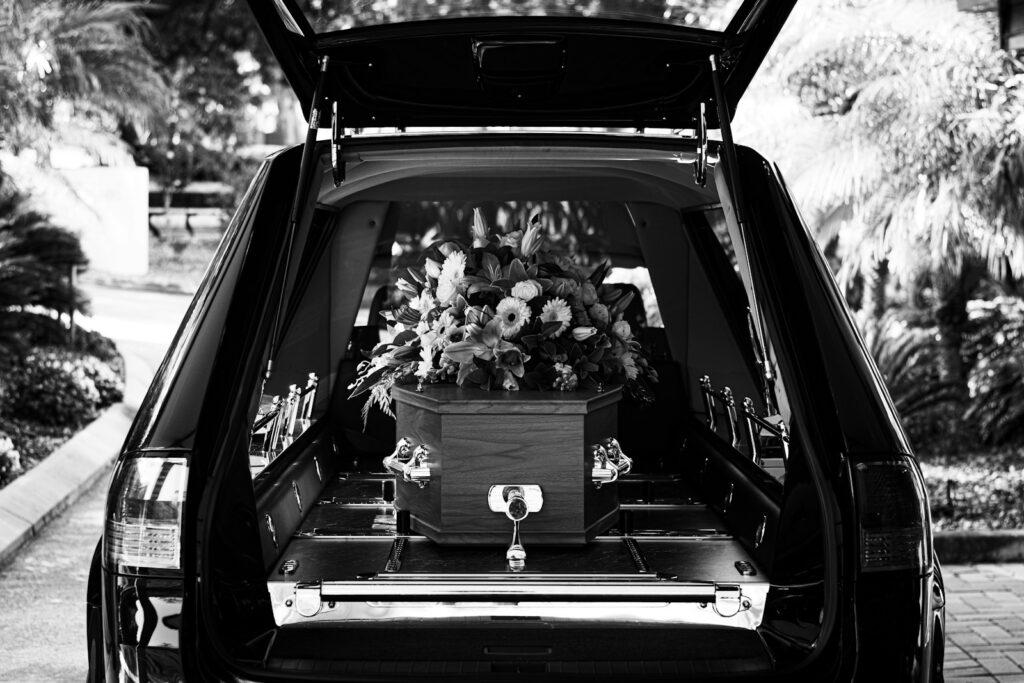
The funeral market in France is undergoing a profound transformation. Long structured around standardized and predominantly religious rites, it is evolving toward more personalized and often secular practices. Families' expectations are changing. They are seeking more meaning, simplicity, and freedom in the organization of funerals.
This transformation is accompanied by a growing importance of environmental issues. Eco-designed solutions, alternatives to traditional burial, and new forms of commemoration are gaining visibility. At the same time, market deregulation has profoundly changed the economic landscape. Large corporations, organized networks, and independent players now coexist in a more competitive environment.
Finally, regulatory and societal pressure is increasing transparency requirements. Operators must clarify their offerings, structure their services, and strengthen relationships of trust with better-informed and more demanding families.
Do you need market research on the funeral services sector? EPSIMAS takes care of it for you!
The funeral services market generated more than 3.4 billion euros in revenue in 2025, according to initial estimates by EPSIMAS. As of March 2026, this sector has more than 13,000 active establishments and more than 21,912 full-time equivalent employees. Within this vast market, the funeral home segment accounts for a large proportion of active establishments.
The funeral services market is benefiting from strong growth driven by an aging population. The number of deaths in 2025 is estimated at 651,000, and INSEE forecasts a steady increase in this figure through 2040. This demographic trend supports a favorable economic outlook for the sector. The market is projected to grow at an average annual rate of 3.95% between 2016 and 2025.
Beyond sheer volume, the industry is undergoing a transformation driven by an increasingly forward-thinking clientele. According to Credoc, 49% of people aged 40 and older have already left or plan to leave instructions for their own funerals. This desire for control is reflected in particular by a massive financial boom in funeral planning. Premiums for funeral insurance exceeded 1.6 billion euros in 2024. This need to plan ahead is accompanied by a profound shift in funeral customs, illustrated by the fact that in 2024, only one in two people still wanted a religious ceremony.
To support these changes, professionals benefit from a high level of trust, as 84% of people report having a positive view of the funeral industry—an essential asset when advising families seeking meaning and personalization.
Sources: Epsimas, INSEE, CREDOC, Friday Night Funkin', France Assureurs

In 2026, the funeral industry is transforming to meet the needs of families seeking price transparency, 24-hour accessibility, and digital convenience. While the Internet has become essential for obtaining a quote, the actual planning process remains rooted in physical proximity: only 10% of French people finalize their arrangements online, preferring in-person contact at a funeral home.
Trends are emerging:
The market follows a marked seasonality: the winter period (December-March) remains the core activity period due to higher natural mortality. However, summer heatwave episodes can create unpredictable activity peaks, particularly in August. Finally, the month of November constitutes a major commercial peak for stonemasonry and grave maintenance, driven by the tradition of All Saints' Day.
Sources: OGF / Ipsos Study, CREDOC, Tranquility, Esthima, Google Trends
In 2026, the profile of the funeral consumer is divided into two distinct categories. Indeed, as trends show, the consumer no longer necessarily undergoes the purchase, but rather chooses it.
The commercial strategies of the agencies are therefore changing to reach the different types of clientele:
The «Prévoyant»: Generally aged 60 to 75, this consumer is the main driver behind the growth of prepaid funeral insurance. Above all, they seek to relieve their loved ones of burdens and retain control over their posthumous image. They are a savvy customer who compares services, inquires about options, and favors the financial security of insurance contracts.
The «Prescriber» Family: Faced with a sudden death, she acts quickly but with new expectations. Although 80 % of families still choose the agency closest to their home, they are now «extremely well-informed.» Before walking through the door of an agency, they systematically check online reviews, the website (if there is one), and the rates.
Regardless of the client, the need for personalization is growing stronger («Tailor-made funerals»). Indeed, standardization is in decline. Consumers are increasingly rejecting austere, «off-the-rack» ceremonies. We are observing a growing demand for secular rituals, atypical ceremony venues (reception rooms, gardens), and tributes incorporating digital media (videos, dedicated playlists, etc.).
Sources: Epsimas
The French funeral market revolves around three major types of players. At the forefront, integrated leaders (OGF, Funecap) account for 30 to 40 % of the sector thanks to their complete control of the value chain, including funeral homes and crematoriums. In contrast, independent operators remain the majority in terms of numbers, accounting for more than 50 % of the market’s establishments. They are increasingly organizing themselves into groups (UDIFE, Funéplus) to pool their technical and commercial resources. Finally, public entities (municipal agencies) round out this landscape by managing approximately 10 % of the industry’s activity.
Beyond this economic organization, the sector brings together a multitude of employers and employees specialized in funeral organization and care for the deceased. This multi-sector industry brings together three complementary areas of expertise: funeral services (provided by advisors and masters of ceremonies), embalming (preservation care), and stonemasonry (preparation of gravesites). Each profession, from the operations agent to the stonemason, plays a key role in supporting families, under the aegis of the sector's training and skills bodies (PCO EP).
Companies that want to carry out this activity must register under the following NAF code:
96.03Z – Funeral and related activities
This subclass includes:
the burial and cremation of bodies (human beings or animals) and related activities:
This subclass does not include
Furthermore, the market is regulated to protect consumers:
Sources: INSEE
Don't hesitate to contact us to discuss your projects!
You can leave us your contact information via the Contact form, or book an appointment directly below.