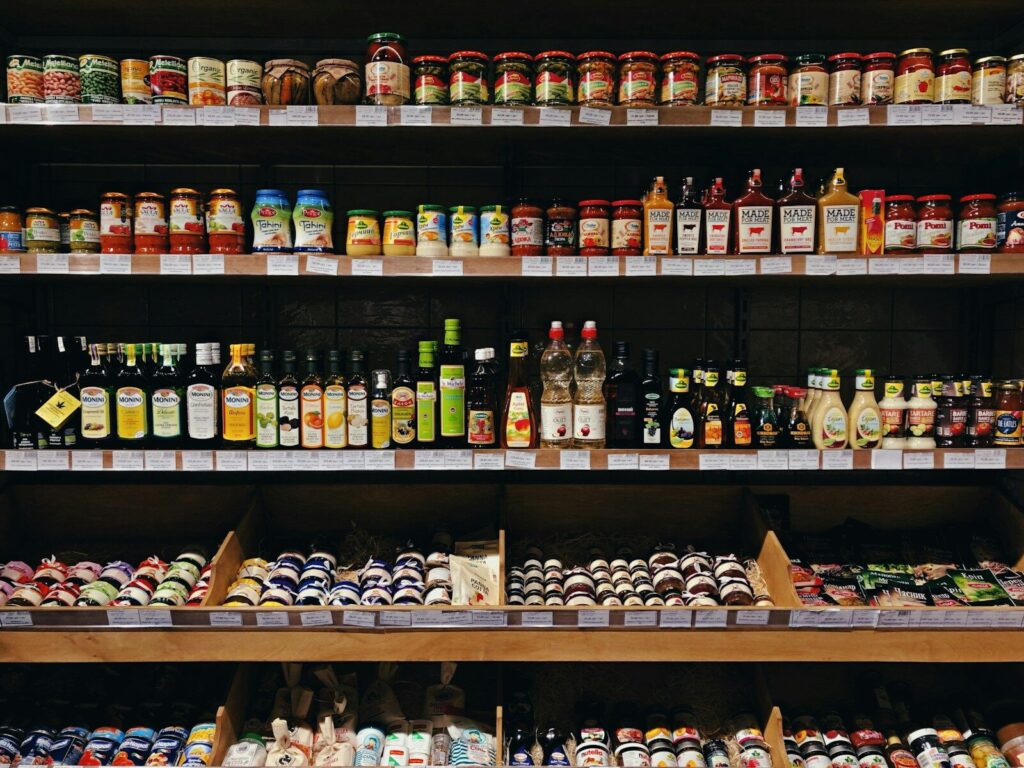
The gourmet grocery market refers to retail specialized in high-quality food products. This business is based on the careful selection of rare, artisanal, or regional products. It includes a wide range of products from fine preserves and exceptional oils to high-end confectionery. The sector also incorporates prestigious beverages and niche fresh produce. Unlike general food retail, gourmet groceries emphasize the geographical origin and the producers' expertise.
This market primarily groups together small independent businesses and local shops. These establishments benefit from growing demand for quick, local, and high-quality purchases. The activity is no longer limited to the simple resale of dry goods. It encompasses personalized consulting services, the creation of gift baskets, and often an in-store tasting offer. Specialty food shops occupy a strategic position between traditional food commerce and the luxury sector. They meet the expectations of consumers who seek to transform their daily eating into a unique gastronomic experience.
Do you need a market study for gourmet grocery stores? EPSIMAS will take care of it for you!
The gourmet food market is in robust health and showing steady growth. According to preliminary estimates from EPSIMAS, the sector’s revenue (NAF code 47.29Z) will reach 6.3 billion euros in 2025. This represents growth of 6.22% compared to 2024. Household spending on food products is also on the rise, driving the gourmet food market.
To access growth projections, financial ratios, and other indicators for the gourmet grocery market, you can use our tool app.epsimas.com.
Between 2016 and 2025, the number of establishments in the sector grew by an average of 2.41% per year. In contrast, market revenue saw an average annual increase of 6.96% over the same period. A comparison of these two indicators reveals a market whose growth is not primarily driven by the entry of new competitors. Over the same period, food prices rose by an average of 3.31% per year, which was one of the factors driving revenue growth.

The customer profile is shifting toward greater generational diversity. Millennials and Gen Z are flocking to the shelves of specialty grocery stores. During the 2020 lockdowns, 64% of retailers noted the arrival of these young shoppers. These generations are establishing their own rituals. They prioritize speed without sacrificing taste. As a result, 24% of 25- to 34-year-olds regularly consume high-quality prepared meals. For 50% of them, snacking sometimes replaces traditional meals. These consumers seek out exotic flavors and cuisines from around the world.
Global customers are divided into two major segments: local residents and discerning consumers. Their selection criteria follow a precise hierarchy. Quality and freshness of products, pproximity of the store, aStaff reception, pPossibility of doing groceries quickly,store comfort, sproduct selection, pprice, product variety, are all criteria influencing consumer choice at their point of purchase.
The average basket size reflects the diversity of establishments. In a neighborhood grocery store, customers spend between 10 and 25 euros. They are primarily looking for fresh items to supplement their groceries or for quick purchases. Conversely, in specialized or high-end grocery stores, the basket size increases to between 30 and 50 euros. Organic, local, or luxury products justify this higher spending. Consumers are willing to pay more to guarantee the origin and excellence of their food.
Source : EPSIMAS, Atometrics
New business creation is significantly revitalizing the French business landscape. Between 2016 and 2025, the number of new businesses established surged by 9,51%. This acceleration has recently been confirmed by the opening of 1,221 new businesses over the past twelve months. Geographically, areas with high purchasing power are favored. Three regions logically dominate the national rankings: Île-de-France, Auvergne-Rhône-Alpes, and Provence-Alpes-Côte d’Azur. These regions are home to the majority of high-end retail outlets.
The market is segmented into several categories of players. Luxury houses and specialized department stores occupy the prestige segment. They offer exceptional gourmet products for an international clientele. Premium brands are developing networks, offering a rigorous and standardized selection. Finally, small independent grocery stores highlight local products. They adopt a strategy of authenticity and geographical proximity.
However, competition is intensifying with the arrival of new entrants. Large and medium-sized retailers (GMS) are developing increasingly high-quality «local products» sections. They are imitating the codes of fine food shops to capture traditional customers. Local markets also represent a serious alternative for fresh produce enthusiasts. To differentiate itself, the fine food shop must focus on exclusive products. It must transform the act of purchasing into a true sensory experience.
Sources: EPSIMAS, INSEE, Xerfi
In 2023, 68% of citizens are stepping up their personal efforts to maintain their long-term well-being. Consumers are seeking healthy, traceable, and nutritious foods. Today, six out of ten French people systematically check the Nutri-Score before making a purchase. Flexitarianism is also on the rise in households across the country. This trend is driving the growth of high-quality plant-based products and premium protein alternatives. Consumers overwhelmingly support short supply chains to ensure freshness. They are willing to pay a significant premium for a product certified as being of French origin. This context is driving specialization among independent shops. These shops are strengthening their expertise to counter competition from multi-fresh chains, food halls, and farmers’ markets.
To differentiate themselves, retailers are focusing on customer experience and personalization. The sale of custom gift boxes is becoming an essential growth driver. These assortments allow customers to discover artisanal gems while meeting the demand for authentic gifts. At the same time, gourmet food stores are increasingly incorporating on-site tasting areas. This new service transforms the shop into a friendly place to gather. It allows customers to test products before buying and increases the average basket size.
Seasonality also shapes economic activity in the sector. The holiday season is the main driver of annual revenue. Some specialty retailers generate up to 30% of their sales in the month of December alone. Data from Google Trends confirms this historic peak in popularity. Significant upticks are also observed during the months of May and August. The French traditionally associate gourmet foods with special occasions such as Christmas or Easter. However, a new underlying trend is emerging despite the inflationary environment.
Sources: Gourmet selection, Google Trends, Epsimas
Delicatessens register under the following NAF code for their business activities:
Class 47.29Z: Other retail sale of food in specialized stores
This subclass includes
Some grocery stores may also register under other NAF codes, such as:
4711B – General Food Store
4711C – Convenience Stores
Source : INSEE
Don't hesitate to contact us to discuss your projects!
You can leave us your contact information via the Contact form, or book an appointment directly below.