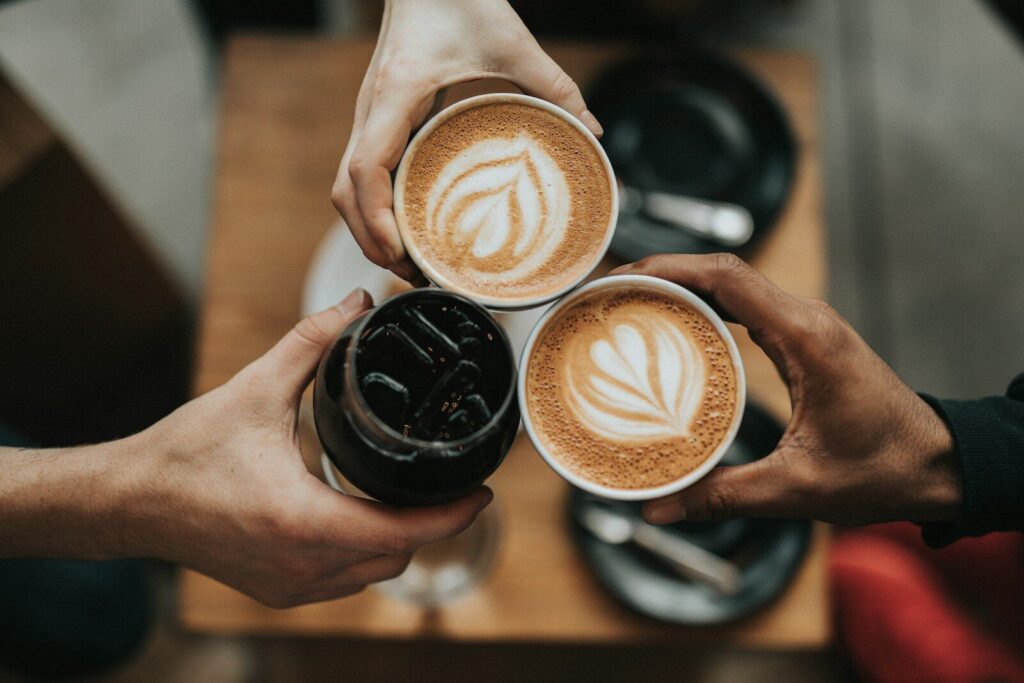
The concept of coffee shops originated in the United States in the 1970s. Today, they have established themselves as versatile gathering places, open from breakfast through after-work hours. This hybrid space is defined as a “third place,” situated between home and the office. The business model is based on a menu centered on coffee, often sourced from specialty coffee chains. Baristas prepare customized drinks such as milk-based beverages, gentle brews, or iced versions.
The offerings meet consumers’ new dietary expectations. They include plant-based alternatives such as soy, almond, and oat milk. Counter service makes it easy to order takeout or enjoy a meal on-site in a relaxed atmosphere. In addition, the locations offer artisanal pastries and light lunch options. A venue’s identity is built on technical expertise, thoughtful design, and strong connectivity. Comfortable furniture and Wi-Fi transform these spaces into areas for socializing or flexible work.
Do you need market research on coffee shops? EPSIMAS will take care of it for you!
The coffee shop market in Europe is thriving. It generates an estimated 7 billion euros in revenue. The sector comprises approximately 21,000 establishments across the continent. Large chains dominate the market, accounting for 75% of active locations.
France holds a strategic position in this ranking. It ranks third in Europe. Only the United Kingdom and Germany rank ahead of France. France has more than 3,500 specialized facilities. This sector generates an estimated annual revenue of 321 million euros.
The sector has expanded dramatically over the past fifteen years. The number of establishments has surged by 74%. Coffee shops are taking over major cities. Paris is no longer the only target for investors. Chains are setting up shop on a massive scale in regional areas and medium-sized cities.
More than 8 out of 10 French people drink coffee today. For most, the ritual begins in the morning. However, the habit continues throughout the day. More than three-quarters of coffee drinkers drink coffee outside of breakfast. On average, a French person drinks 2.3 cups each day.
Sources: Xerfi, The Franchise Official
Today’s customer is no longer looking for just a hot drink. They demand a complete sensory experience. The quality of what’s on offer now determines a venue’s appeal. Four main types of customers frequent these establishments on a daily basis.
Mobile workers and students make up the first pillar. They turn tables into makeshift offices. These customers prioritize comfort and high-speed Wi-Fi. They order plenty of drinks during long work sessions. Their presence ensures consistent occupancy during off-peak hours.
The younger generation makes up the second group. These tech-savvy customers prioritize the café’s aesthetic. They look for “Instagrammable” decor and meticulously crafted latte art. They share their orders on social media. This habit boosts the café’s digital visibility for free. latte art careful. They share their orders on social media. This habit boosts the establishment's digital visibility for free.
Urban professionals represent the pragmatic segment. They visit the coffee shop early in the morning. These customers prefer to grab a drink to go on their way to work. They demand lightning-fast service. Consistent taste ensures their daily loyalty.
Finally, tourists and families liven up the weekends. They’re looking for a comforting break during their outings. This group often has the highest average check. They combine indulgent drinks with light meals.
Several major chains share the French coffee shop market. They adopt very different marketing strategies. This diversity allows them to reach all types of urban customers.
Giants like Starbucks and Columbus Café & Co. dominate the mass-market segment. They rely on a dense network of franchises. Their outlets are located in high-traffic areas. Train stations and shopping malls are their preferred locations. These chains offer customizable coffee in a relaxed atmosphere. Their products remain accessible to as many people as possible.
Other players opt for a “premium” strategy. French Coffee Shop and Café Kitsuné target a discerning clientele. They emphasize the origin of their beans and the precision of their roasting. The shops’ aesthetics often reflect a strong local identity. These venues cultivate an artistic or cultural image. They attract specialty coffee enthusiasts who are willing to pay a higher price.
Competition is also intensifying with the emergence of new concepts. Artisan bakeries and coworking spaces are incorporating café areas. Each brand must therefore assert its uniqueness. Customer loyalty is built through digital programs and a varied food menu. The market remains open but is becoming more demanding in terms of service quality.
Specialty coffee
Customers are demanding beans from certified sources and artisanal preparation methods. This trend underscores the importance of product transparency and authenticity. Consumers are becoming true experts and are seeking out unique, distinctive flavors.
American standards
The model of major American chains continues to shape the French market. This concept transforms the café into a true social and cultural experience. Customers no longer come just to drink, but for the atmosphere and the lifestyle associated with it.
Digital and apps
Mobile apps allow customers to order in advance and customize their drinks. These tools make it easier to pay and automatically earn loyalty points. Starbucks has led the way by optimizing the customer experience through these innovative technologies.
Aesthetics
Coffee shops create visually appealing drinks specifically designed to be posted on Instagram. Latte art transforms a simple cup into a fleeting work of art. This trend attracts a young clientele concerned with their digital image and the decor of the venues.
Diversification into savory offerings and drive-through
Developing a savory menu is becoming a strategic move to capture the lunch market. Coffee shops are offering full meals to increase their average check.
At the same time, the emergence of the first “drive-through coffee shops” is responding to a growing demand for speed. These innovations make it possible to reach a broader and more mobile customer base.
Interest in the term “coffee shop” has been steadily increasing over the past few years. Google searches reach their peak during the colder months, such as November, December, and February. There are also surprising spikes in August linked to summer vacations and iced coffee. March and June generally mark the seasonal lows in activity.
Sources: Xerfi, The Franchise Observatory, ACFranchise, Epsimas, Google Trends

Coffee shops do not have a specific NAF code for their business; however, they can register under NAF codes such as:
Class 56.30Z: Beverage serving activities
This subclass includes
This subclass does not include
Class 56.10C: Fast food catering
This subclass includes
This subclass does not include
Source : INSEE
Don't hesitate to contact us to discuss your projects!
You can leave us your contact information via the Contact form, or book an appointment directly below.